
My 2021 PC build: a no-compromise workstation
After five years on my old rig, I built a quiet, powerful machine for Blender, Premiere, and After Effects. It is my first AMD build since 2006, and here is every part I chose and why.
Prefer to watch build content?
This one is a written build log, so there is no video to embed here. I cover PC hardware, 3D printing, and creative tech on the channel. Subscribe to catch new builds and reviews.
Editor's note (July 2026): This build is from mid-2021, at the height of the GPU shortage, so prices here (especially the graphics card at $1,230) were badly inflated by the crypto-mining boom and are not what these parts cost later. The hardware is now a couple of generations old, with Ryzen 7000/9000 and RTX 40/50 cards available. I have kept it as a record of the build and my reasoning; the silent, productivity-first philosophy still guides how I build today.
The short version
The goal was a quiet, no-compromise workstation for heavy creative work, on a $2,000 budget and my first AMD build since 2006. The core is a Ryzen 9 5900X and an RTX 3080, with 64GB of RAM and a Fractal Design Define 7 chosen specifically for silence over flashy looks. Crypto-era GPU pricing pushed the all-in cost to around $3,350, though a promo credit brought the parts closer to MSRP.
Ryzen 9 5900X + RTX 3080, built for quiet horsepower.My outgoing rig from 2016
My previous PC served me well since 2016. When I built it, it struck a nice balance of power and affordability, but times changed and I started to notice it lagging on heavy work, specifically video processing and 3D CAD rendering. For reference, here is what it was running:
| CPU | Intel 6700K, 4c/8t boosting to 4.2GHz |
|---|---|
| Graphics | MSI GeForce GTX 1070 Gaming X 8GB |
| Motherboard | ASRock Z170 Pro4S |
| Memory | G.Skill Ripjaws V 16GB DDR4 2166 |
| OS storage | Silicon Power Slim S55 240GB SATA |
| Secondary storage | WD Blue 2TB HDD, 7200 RPM |
| Power supply | Corsair CX650M 650W 80+ Bronze |
| CPU cooling | Corsair Hydro H55 |
| Case | DIYPC Silence-BK-Window |
Back in 2016, the whole thing including the OS came to just over $1,250. Five years of rendering later, it was time for a serious step up.
Goals for the new build
This build is all about productivity, powering through heavy workloads in Blender, Premiere, and After Effects without breaking a sweat. I set out to make it a no-compromise machine with a budget to match: $2,000, the most I had ever spent on a system, and my first AMD build since 2006.
Beyond raw horsepower, the other big goal was silent running. So I went looking for a quiet case, quiet fans, and quiet cooling. That also meant skipping a windowed case and a pile of RGB, since a glass side panel only takes away from the sound dampening a solid panel provides.
The parts I chose, and why
The two stars are the CPU and GPU. The Ryzen 9 5900X is simply a beast: 12 cores and 24 threads with strong single-core performance too, and its only real downside is power draw and heat, easily outweighed by the raw horsepower I put to work rendering. The RTX 3080 was, believe it or not, a good deal in 2021 even at $1,230, since it was not a light-hash-rate card, so it could still mine on the side at around 85 MH/s. It is also the card I record tutorials from, using the NVIDIA App. Here is the full parts list:
Disclosure: This post contains affiliate links. As an Amazon Associate I earn from qualifying purchases, at no extra cost to you. Affiliate links like these and my YouTube channel are what keep the site running.
| Part | Component | Paid |
|---|---|---|
| CPU | AMD Ryzen 9 5900X12 cores, 24 threads, 3.7GHz. A rendering powerhouse. | $580 |
| GPU | Gigabyte RTX 3080 Gaming OC 10GMy first near-top-tier card, for Blender and Adobe work. | $1,230 |
| Motherboard | ASRock X570 Taichi WiFiFeature-rich and basically future-proof; dual PCIe 4.0 NVMe, USB 3.2 gen 2 Type-C. | $300 |
| Memory | Team T-Force Delta RGB 64GB3200MHz. Huge headroom for renders that were maxing out my old 16GB. | $320 |
| OS storage | Samsung 970 EVO Plus 1TBNVMe with 3.4GB/s reads for fast program and game loads. | $160 |
| Secondary storage | WD Gold Enterprise 4TBEnterprise-grade 7200 RPM for a growing photo and video library. | $140 |
| Power supply | Seasonic FOCUS GM-850W GoldFully modular, highly efficient, great value. | $130 |
| CPU cooling | NZXT Kraken X63280mm AIO to tame the 5900X quietly. | $150 |
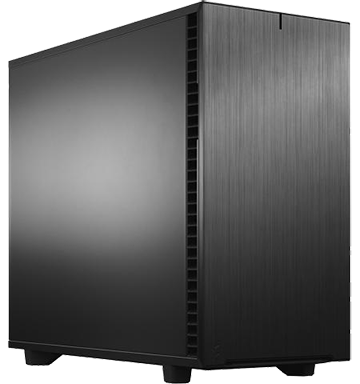
| Case | Fractal Design Define 7 BlackSubtle, heavily sound-dampened, and ships with three quiet Dynamic X2 GP-14 fans. | $90 |
| Total | Components, before shipping and tax | $3,100 |
What it all cost
The components came to $3,100. Adding roughly $50 shipping and $200 in taxes brought the all-in total to about $3,350, well over the original $2,000 target, almost entirely because of the crypto-inflated graphics card. Luckily I had a credit-card promotion offering a $300 credit for spending $3,000, which worked out perfectly and brought the parts back down to around $2,800, much closer to what these components should have cost at MSRP. For a machine I would use every single day, that was easy to justify.
Frequently Asked Questions
What did the 2021 build cost in total?
The components came to $3,100, and with about $50 shipping and $200 in tax the all-in total was around $3,350. A $300 credit-card promo brought the parts closer to $2,800. It ran well over the $2,000 goal, mostly because the RTX 3080 was crypto-inflated to $1,230 at the time.
Why build an AMD system in 2021?
Because AMD had pulled clearly ahead. The Ryzen 9 5900X offered 12 cores and 24 threads with excellent single-core performance, ideal for the rendering work I do. It was my first AMD build since 2006, and the price-to-performance was simply better than the Intel equivalent at the time.
What GPU is in the build?
A Gigabyte GeForce RTX 3080 Gaming OC 10G. I paid $1,230 during the shortage, which was inflated but still a relatively good deal in 2021. It was not a light-hash-rate card, so it could also mine at around 85 MH/s on the side.
Why a Fractal Design Define 7 case?
For silence. The Define 7 has a subtle design with heavy sound dampening, lots of room for cable management, and it ships with three quiet Dynamic X2 GP-14 fans. I deliberately skipped a windowed case and RGB because a glass panel undercuts the sound dampening.
How much RAM and storage does it have?
64GB of Team T-Force Delta RGB DDR4 at 3200MHz, which is a lot but gives real headroom for big renders. Storage is a 1TB Samsung 970 EVO Plus NVMe drive for the OS and programs, plus a 4TB WD Gold enterprise HDD for the photo, video, and game library.
Worth it for a daily workhorse
This was the most expensive PC I have ever built, and even at inflated 2021 prices it was worth it for a machine I use every day. It is an amazing time to be a PC enthusiast, pricey as it can get. If a silent, sound-dampened build appeals to you, the Fractal Design Define 7 review goes deeper on the case that made this whole thing so quiet.