
The Tamron 18-400mm: One Lens for Everything
A 22.2x superzoom that runs from wide landscapes to distant wildlife without a single lens swap. It is the only lens I have kept on my Canon R7, and here is why it earns that spot.
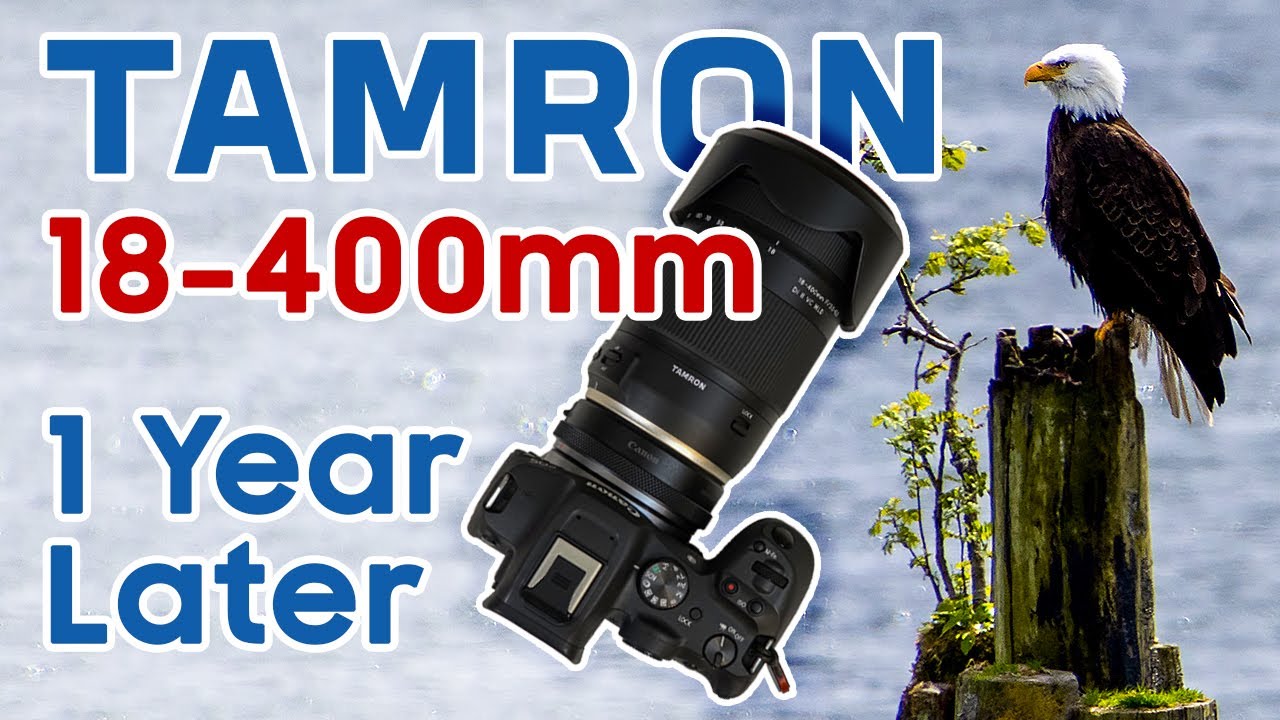
Plays via YouTube. Google may set cookies when the player loads. Privacy policy
The short version
The Tamron 18-400mm packs a 22.2x zoom into one lightweight, weather-resistant body. On the Canon R7 its APS-C crop factor stretches that reach to roughly 28.8-640mm in full-frame terms, so you can shoot a sweeping vista and a distant bird from the same spot. Image quality gives up a little to specialist glass, but the versatility is hard to beat for travel, landscapes, and casual wildlife.
Verdict: the ultimate walk-around lensWhy this lens lives on my R7
My earlier post explored the features of the Canon R7, so this time the focus is the glass in front of it. The Tamron 18-400mm pairs with the R7 so well that it has become the only lens I have needed since getting the camera. I have rarely run into a scene where I wished for something more specialized.
That is a bold claim for a superzoom, so let me walk through what makes this range so useful, the one thing Canon mirrorless owners need to know before buying, and a gallery of real shots straight out of the lens.
Disclosure: This post contains affiliate links. As an Amazon Associate I earn from qualifying purchases, at no extra cost to you.
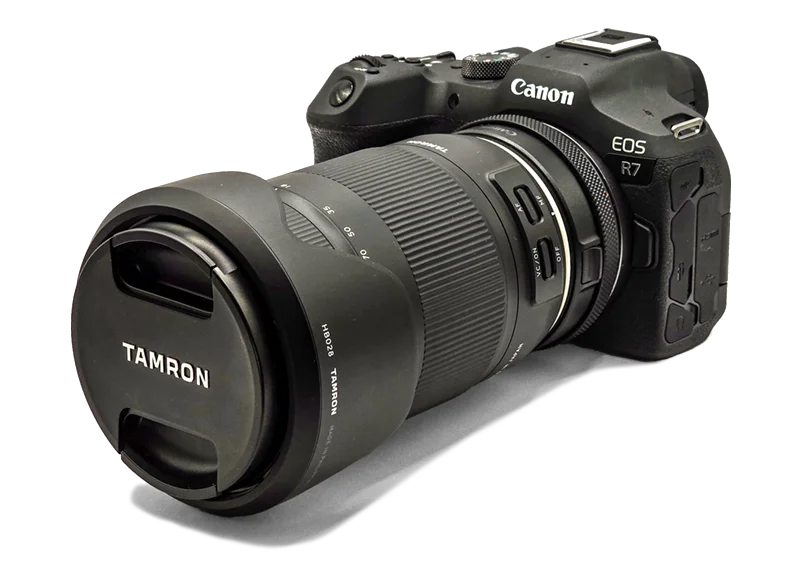
The lens tested
Tamron 18-400mm F/3.5-6.3 Di II VC HLD
An all-in-one APS-C superzoom (Model B028): the exact lens behind every photo in this article.
The ultimate all-in-one solution
The Tamron 18-400mm stands out with an unparalleled 22.2x zoom ratio. That extraordinary range lets you move from expansive wide-angle landscapes to remarkably detailed close-ups of distant wildlife without touching your bag. Covering the whole focal length in one lens is especially handy out in the field, where the moment is gone by the time you finish swapping glass.
Understanding crop factor: the Canon R7, like many digital cameras, uses an APS-C sensor that is slightly smaller than traditional 35mm film. Because of that size difference there is a crop factor effect, and on the R7 it is 1.6x. In practice the effective focal length looks 1.6 times longer than the number printed on the barrel. So on the R7, the Tamron 18-400mm behaves like roughly a 28.8-640mm lens would on a full-frame camera.
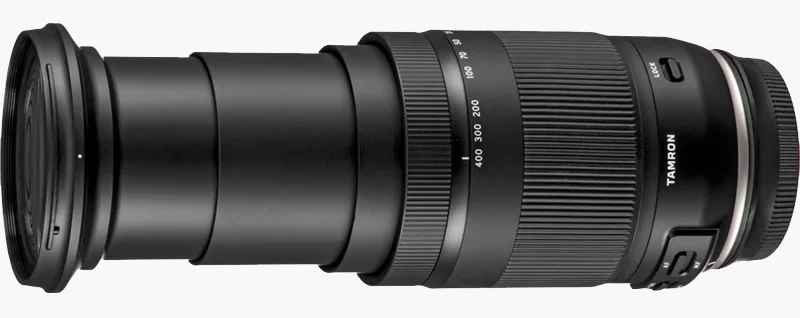
Important note for Canon RF mount users
The Tamron 18-400mm (Model B028) is built for Canon EF-mount cameras, which are generally the Canon DSLRs. To run it on the Canon R7 or any other Canon RF-mount mirrorless body, you need an EF to RF adapter. These are readily available and let you use your existing EF and EF-S lenses on a mirrorless body with full function.
The official Canon Mount Adapter EF-EOS R keeps full compatibility with lens functions and holds a dust- and weather-resistant design, so you can adapt the Tamron and shoot worry-free in any environment.
Impressive close-up abilities
Landscape and wildlife photographers sometimes crave a more intimate perspective. The 1:2.9 maximum magnification ratio unlocks surprising close-up capability. Picture capturing the fine texture of a flower inside a landscape frame, or the minute details of a fascinating insect, all without carrying a dedicated macro lens.

Built for adventure
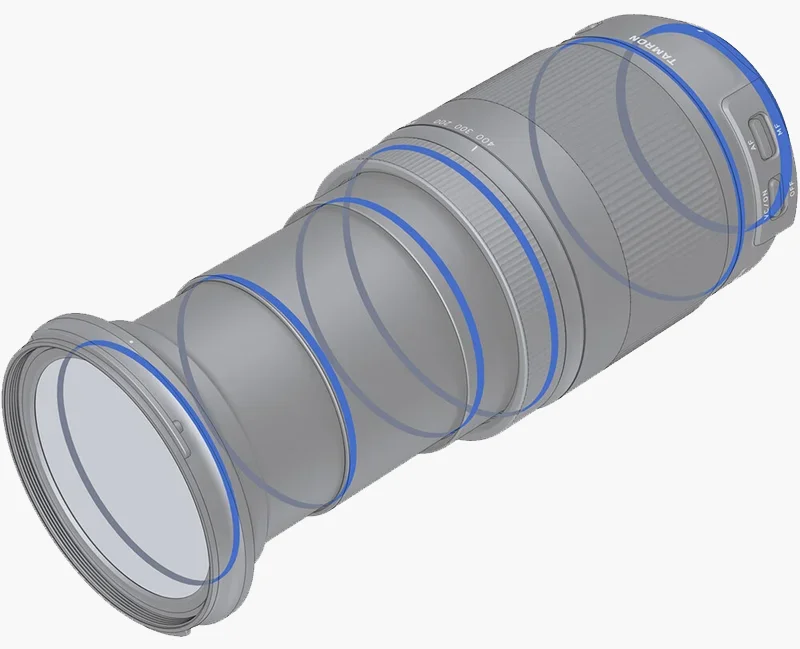
With a compact, lightweight design, the 18-400mm adds minimal bulk to your kit. Its weather-resistant construction shrugs off unpredictable conditions too, whether you are exploring rain-soaked forests or dusty trails. That durability lets you venture out with confidence regardless of the forecast.
Why landscape and wildlife photographers might love it
Landscapes: the freedom to capture a sweeping vista at the wide end and then zoom into isolated details within it gives you real creative room to play with composition. Wildlife: it is not a substitute for a dedicated super-telephoto, but the 18-400mm captures surprisingly good shots of animals near and far, and its light weight is far easier to maneuver than a big prime when a fleeting moment appears.
Here is a variety of images straight from the lens. I lean toward landscapes, but I wanted to include some all-round shots so you can judge the range for yourself.
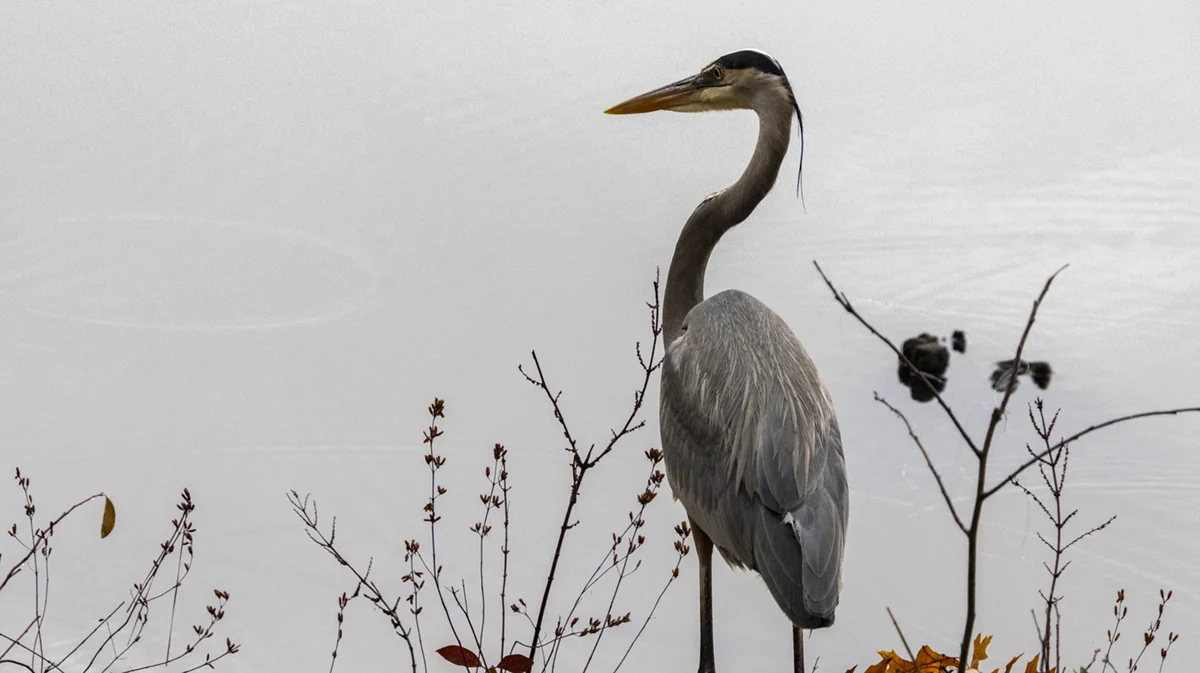
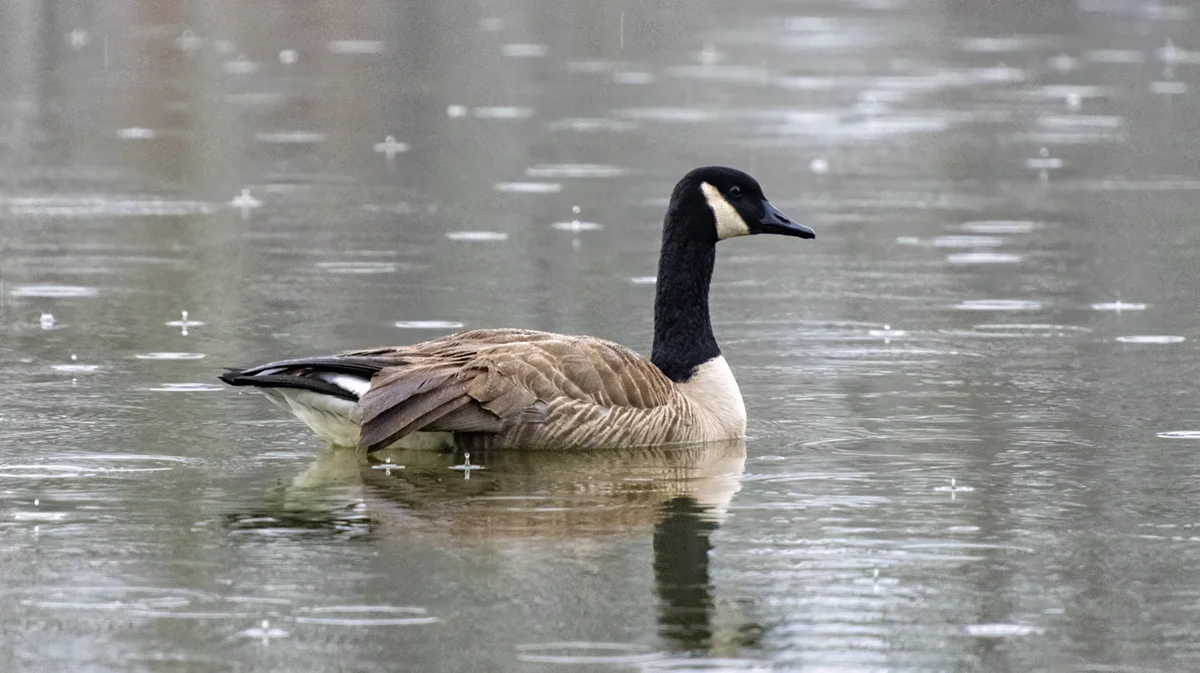

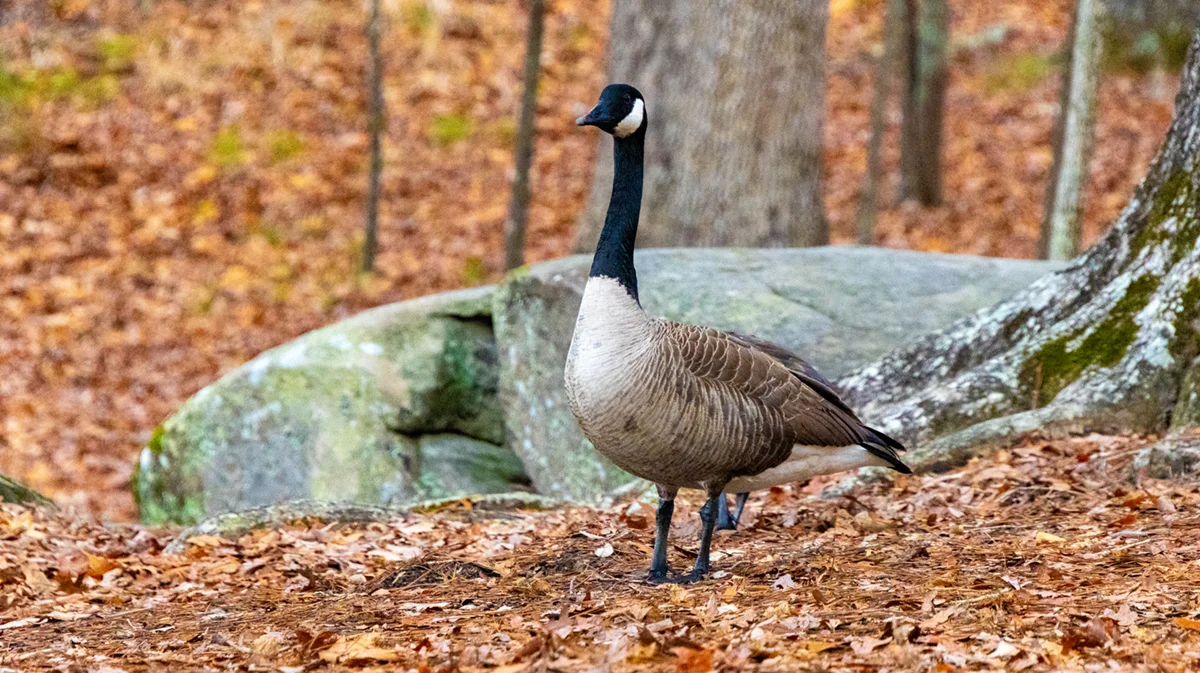





It is the only lens I have needed since getting my R7.
Additional technical highlights
Beyond the headline zoom range, a few engineering details are worth calling out.
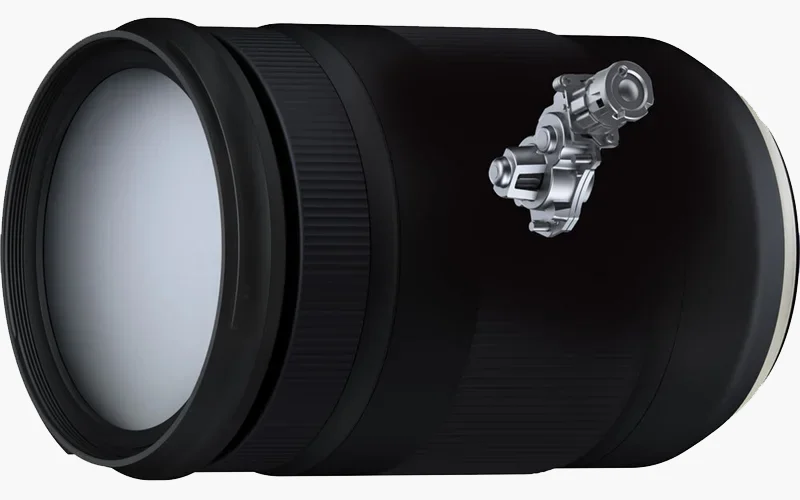
- HLD (High/Low torque-modulated Drive) motor: enables autofocus that is precise and whisper-quiet, which matters most when you are locking onto wildlife.
- VC (Vibration Compensation): Tamron's image stabilization helps you get sharp, handheld shots even at the far reaches of the telephoto range.
- Fluorine coating: the front element carries a protective coating that resists dirt and moisture, keeping the lens usable for the long haul.
- Optical construction: 16 elements in 11 groups, including LD (Low Dispersion) and hybrid aspherical glass that reduce chromatic aberration and distortion for sharp results across the zoom range.
- Filter diameter: 72mm.
- Minimum focus distance: 0.45m (17.7in) throughout the zoom range.
- Weight: 705g (24.9oz), surprisingly light for the reach on offer.
What is included
When you buy a Tamron 18-400mm lens, here is what you will find in the packaging.
- The Tamron 18-400mm f/3.5-6.3 Di II VC HLD lens
- Front lens cap
- Rear lens cap
- Petal-shaped lens hood
Tamron's included accessories are always excellent. The petal hood offers valuable protection from stray light and the odd knock to your front element, so keep it on.
Frequently asked questions
Is the Tamron 18-400mm good for landscape photography?
Yes. Its ultra-wide to telephoto reach gives landscape photographers incredible flexibility. Capture a sweeping vista at 18mm, then zoom in to highlight rock formations, distant trees, or other smaller details within the scene.
Can I use the Tamron 18-400mm for wildlife photography?
While dedicated telephoto lenses reach further, the Tamron 18-400mm is surprisingly capable for wildlife. It is a convenient all-in-one option for animals that are moderately close, and you can get excellent results with birds, mammals in larger habitats, and even less easily-spooked insects up close.
How does the image quality of the Tamron 18-400mm compare to other lenses?
Like most superzooms, there is a slight trade-off in image quality for the added versatility. Even so, the Tamron 18-400mm delivers impressive sharpness and color rendition given its range, and for most photographers the image quality will not disappoint.
Is the Tamron 18-400mm weather-sealed?
Yes. The Tamron 18-400mm has a moisture-resistant construction with seals around the vulnerable areas, which makes it a reliable choice for outdoor photography in changing weather.
Does the Tamron 18-400mm lens work on full-frame Canon cameras?
This version (Model B028) is designed for APS-C sensor cameras like the Canon R7. Tamron may offer full-frame compatible options for other mounts, so always check compatibility carefully before buying.
I can only bring one lens when traveling. What offers the most versatility?
A lens with a wide zoom range is your best bet for travel. It lets you capture landscapes, street scenes, portraits, and more without needing to swap lenses.
I am new to photography. How can I experiment without buying multiple lenses?
Look for a lens with a very wide zoom range. It lets you try a variety of shooting styles and subjects, which helps you understand your own preferences before you invest in specialist glass.
How do I minimize the risk of switching lenses in dusty or rainy conditions?
Opt for a lens with weather-resistant construction. A wide-range superzoom lets you keep shooting in less-than-ideal conditions without stopping to change lenses as often, which keeps dust and moisture out of your camera.
Is the Tamron 18-400mm worth it?
It is always wise to read a spread of reviews before buying any lens, since they give you real-world perspective on performance. That said, with its expansive range, genuine close-up ability, and durable, portable build, the Tamron 18-400mm makes a fantastic option for a wide variety of photographers. The versatility of a good superzoom opens up new possibilities, and on the R7 it has been all the lens I have needed.
Curious how far that reach really goes? See how this lens stacks up against a smartphone when zooming into distant subjects in my camera lens versus smartphone zoom showdown, and see how the whole combo held up in the Canon R7 one-year-later follow-up.