
Canon R7, One Year Later: Still a Nature Photography Powerhouse
After a full year and trips from my native Georgia to Alaska, here is the honest long-term verdict on Canon's 32.5MP APS-C powerhouse, aimed at beginners ready to take their photography to the next level.
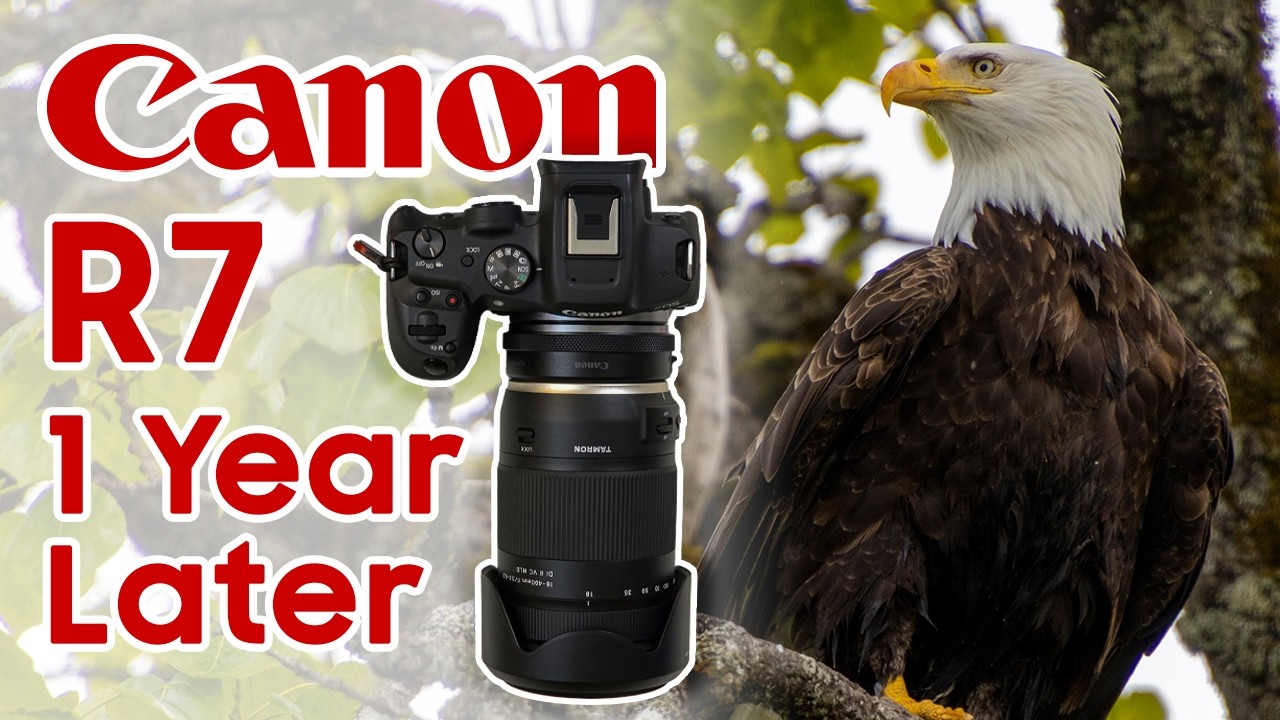
Plays via YouTube. Google may set cookies when the player loads. Privacy policy
The short version
A year and thousands of frames in, the Canon R7 is still an easy recommendation. The 32.5MP APS-C sensor, 651-point animal-detection autofocus, in-body stabilization, dual SD slots, and 500-plus-shot battery add up to a camera that keeps up with wildlife, landscapes, and action for far less than full-frame. A few mirrorless adjustments aside, nothing here has made me want to go back.
Verdict: still a top APS-C pickCanon R7 first impressions, a year later
Among all the things I am interested in, photography has been one of my oldest and most enduring passions. This is a one-year follow-up on a camera I never got the chance to review when I first bought it, so consider it a mix of review and long-term impressions. If you have not seen it, start with our original first look at the R7. I still count myself an intermediate photographer, so this is written for beginners and for anyone looking to take their photography to the next level.
Back in early 2024, I started researching a replacement for my Canon Rebel T3. After 12 years of flawless service, major props to Canon for that reliability, it was still working beautifully. But it was time for an upgrade, especially with a big trip coming up that involved a lot of photography for me and a client. My goal was a camera focused on stills, so I looked for features that would elevate my photography at a reasonable price.
The Canon EOS R7 immediately stood out with its specs: a 32.5-megapixel APS-C CMOS sensor, the powerful Dual Pixel DIGIC X processor, a 15 fps mechanical shutter, and up to 30 fps with the electronic shutter. It is not exactly cheap, but it offers exceptional value for what it brings to the table as a photography powerhouse. I opted for the body only, since I already had a specific lens in mind: the Tamron 18-400mm F3.5-6.3 telephoto. Every image in this article was shot with that lens.
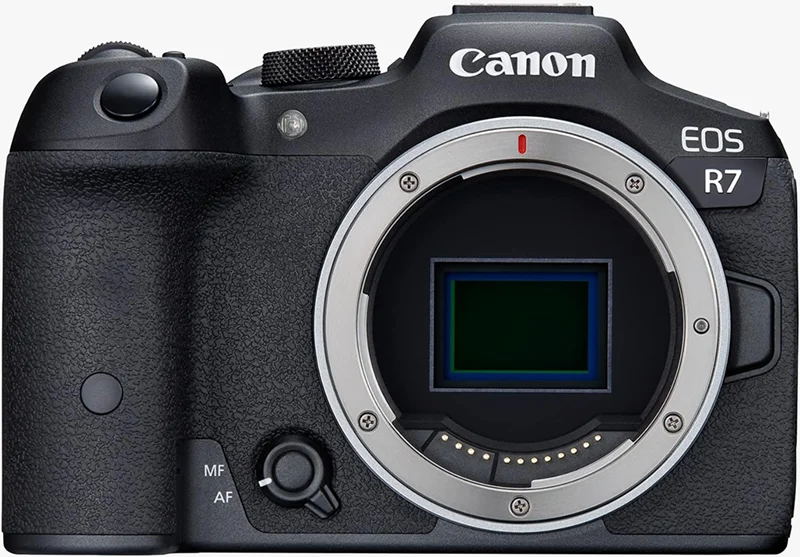
Disclosure: I bought the Canon R7 with my own money, and this review reflects a full year of real use. This post also contains affiliate links. As an Amazon Associate I earn from qualifying purchases, at no extra cost to you.
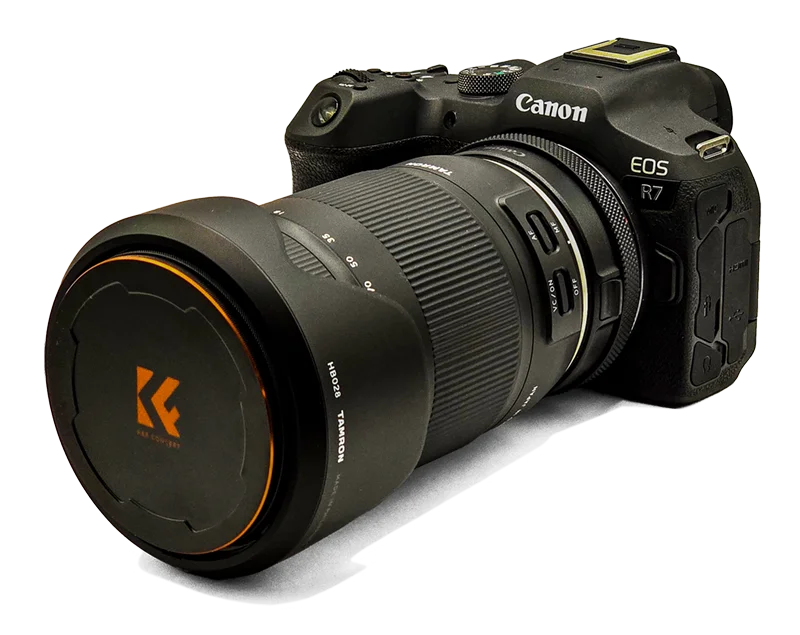
The camera tested
Canon EOS R7
A 32.5MP APS-C mirrorless body built for fast, reliable stills: the exact camera behind every photo in this article.
Performance where it counts
Over the past year I have taken the R7 on trips to the Northwest, Alaska, Seattle, and Vancouver, all over my native Georgia, and to a few race tracks. The results have been nothing short of spectacular.
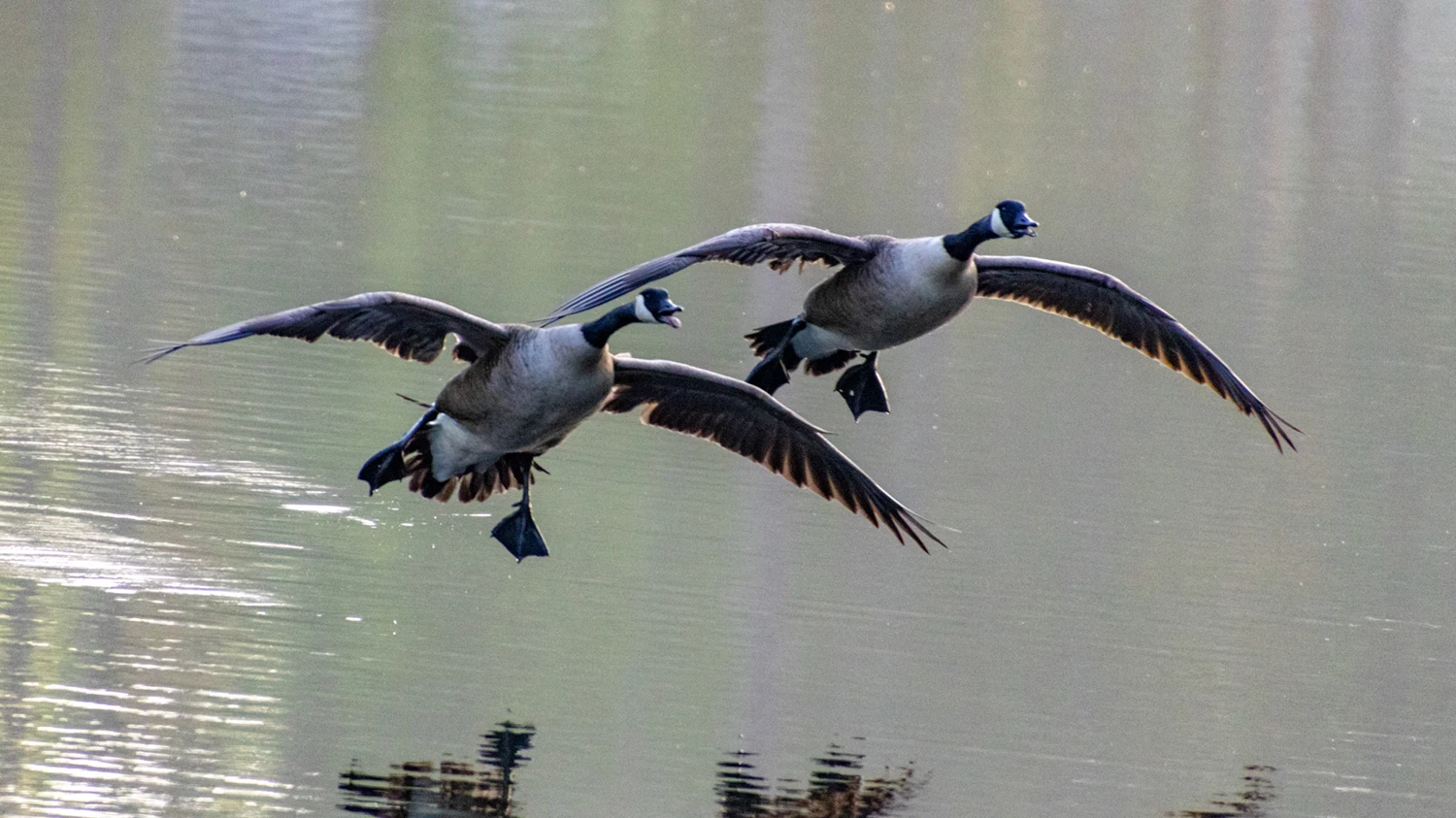
The speed and autofocus were game-changers from day one, and they continue to impress. The Dual Pixel CMOS AF II system packs 651 autofocus points with animal detection, and it is incredibly reliable at tracking fast-moving subjects, like these low-flying geese over a lake. The R7 locked onto a bird's eye and kept up as the flock flew past and landed on the water, something that would have been a struggle with my old camera.
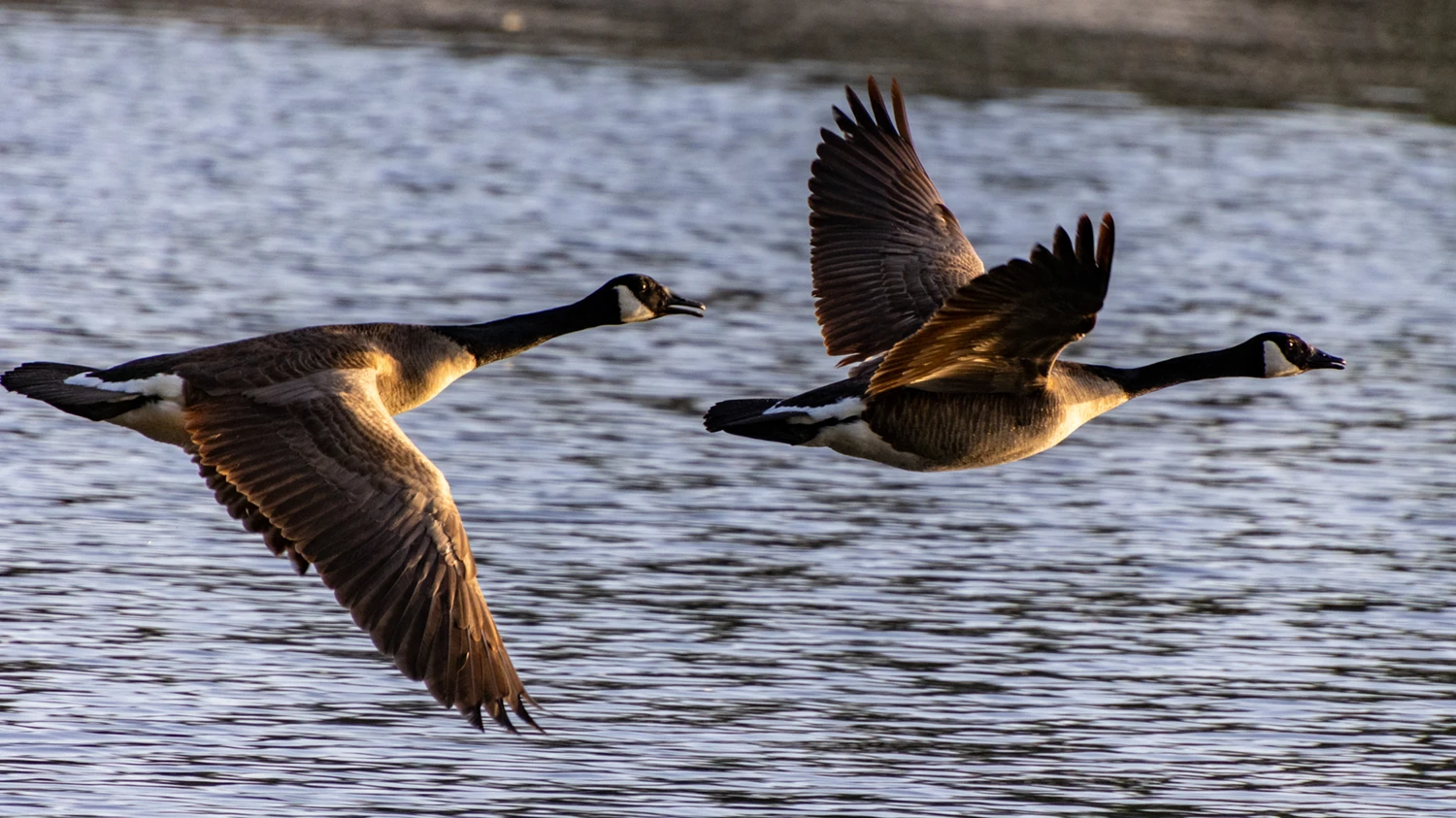
The buffer, the temporary holding area for photos before they are written to the card, has also proven solid. I do not recall hitting the limit at any point over the last year, even in wild animal-tracking burst shots.
While UHS-II grade SD cards are recommended for optimal performance, I have found that high-quality UHS-I cards, like the Samsung PRO Ultimate, work nearly as well. I have now measured whether you actually need a UHS-II card instead of just asserting it. Both cards claim 130 MB/s writes, and neither delivers it in a camera: the ProGrade sustains about 104, and the Samsung, on the UHS-I bus a camera actually gives it, lands at 89. So UHS-II is faster here, but by about 17 percent, not the double the packaging implies. Where it genuinely pulls ahead is offloading, reading back nearly twice as fast. When shooting RAW, with each file averaging 42MB, capacity quickly becomes a priority, and right now these cards cost about the same while the UHS-I card holds four times as much. For my needs that trade is not close: the buffer has never been my limit, and a 17 percent write difference I never notice does not beat four times the shots before a swap. The full numbers behind that, including why both cards sustain more than their badge promises, are in my ProGrade and Lexar V60 card review. The SD cards I use are linked here.
Dual SD card slots: peace of mind and flexibility
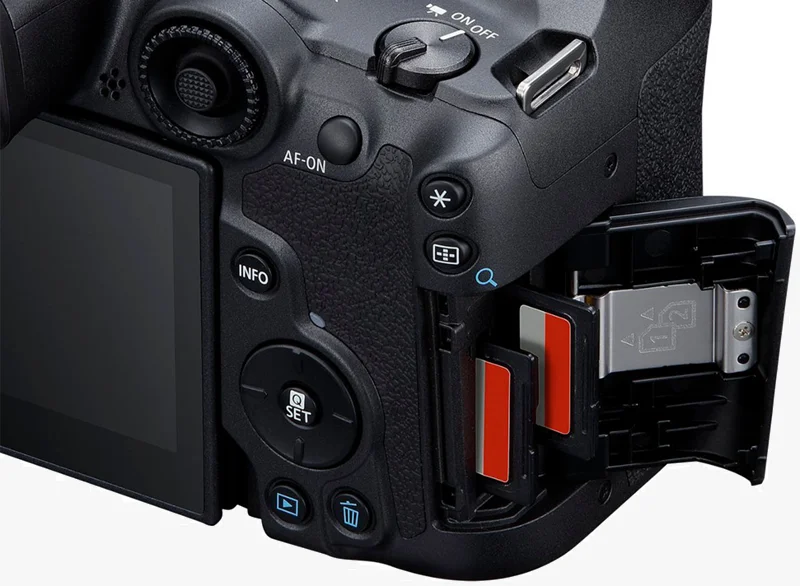
Speaking of SD cards, the R7's dual slots are a fantastic feature that adds both flexibility and security to your workflow. You can set the second card as a backup, duplicating every shot to both cards for peace of mind, or use it as extended storage to effectively double your capacity. This was missing from the Canon R8, which I actually bought first before returning it.
In-body stabilization, a game-changer for handheld
Another standout feature is in-body image stabilization, or IBIS, which makes a huge difference for handheld shooting. It keeps images sharp and steady in less-than-ideal conditions, whether I am capturing wildlife, landscapes, or action, and it is especially effective with longer lenses, where even the slightest movement can lead to blur.
This matters to me because I often shoot handheld, and having stabilization built into the body means I can rely on it no matter which lens I use. It is one of those features you take for granted until it is missing, which was another miss on the Canon R8. That is a dealbreaker for photographers like me who prioritize flexibility in their gear.
A familiar, intuitive control layout
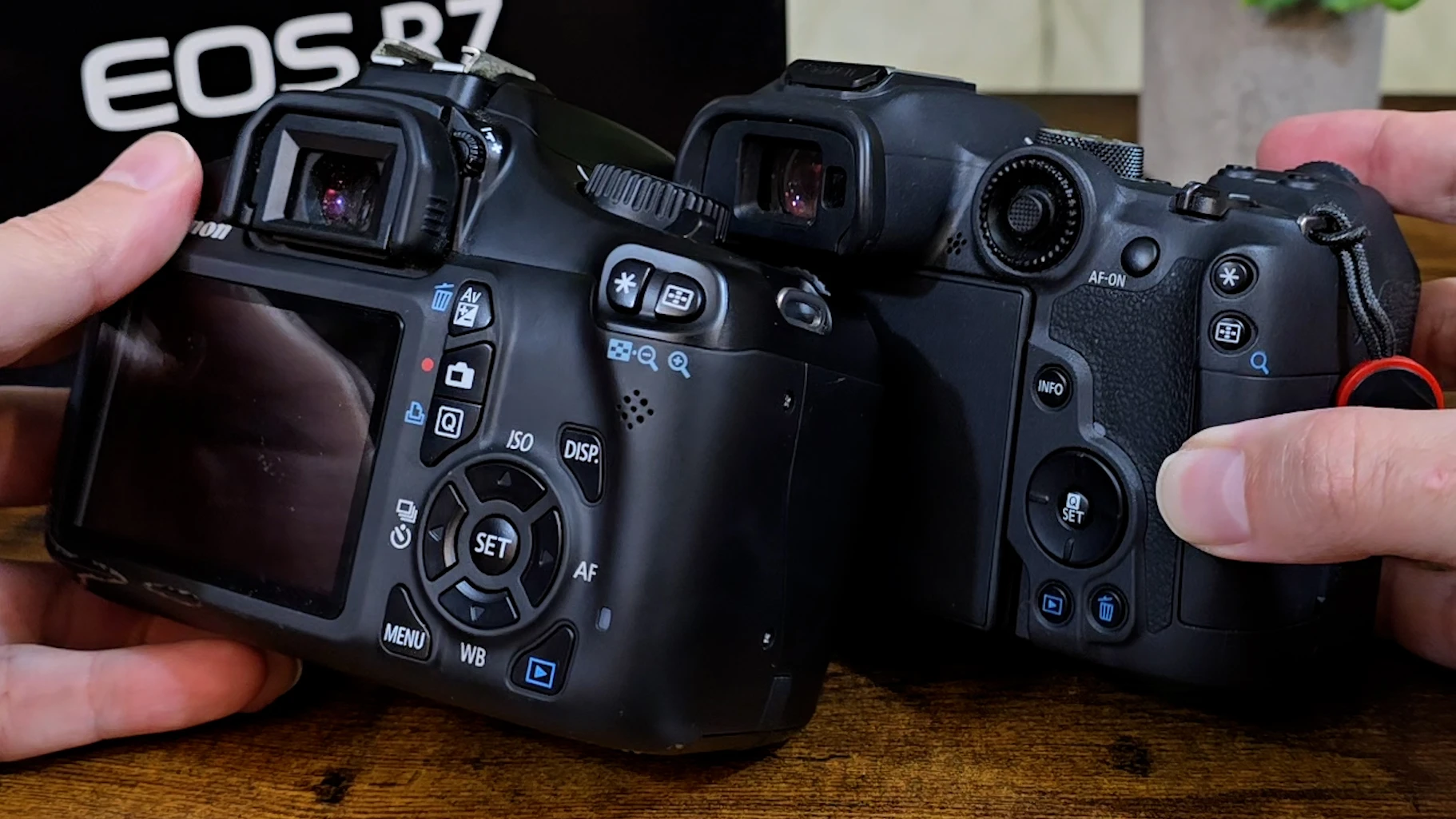
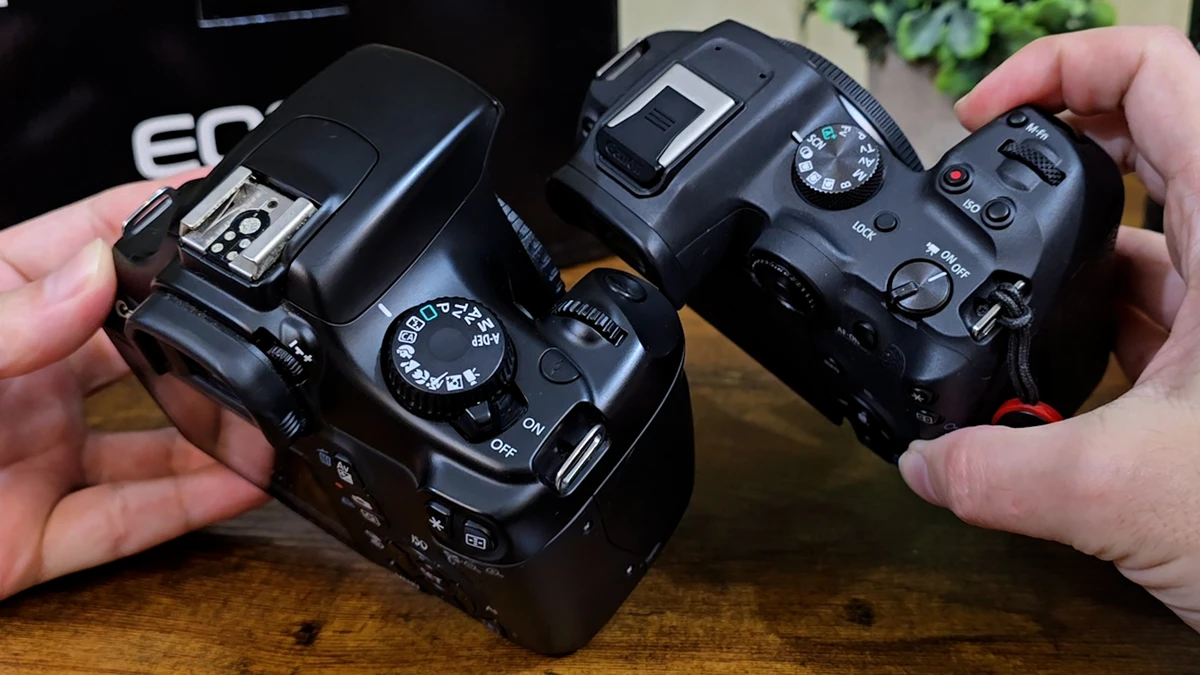
One thing I truly appreciate about the R7 is its control layout. Coming from a Canon Rebel T3, I felt right at home with how everything is organized. It is familiar and easy to navigate, even with the added features and new buttons. For anyone who has used a Canon before, the transition is seamless.
Even if you are new to Canon, the controls are intuitive enough to pick up quickly. The placement of dials and buttons makes adjustments feel natural, whether you are changing shooting modes, tweaking ISO, or diving into menus. It is a camera that works with you, not against you, which makes the whole experience much smoother.
Shooting modes for every situation
Another thing I love about the R7 is the variety of shooting modes, which make it easy to adapt to different scenarios without missing a beat. Personally, I find myself mostly in Landscape mode and Sports mode. With a quick switch, I always have the best settings applied for the shot I am after, whether it is a sweeping vista or fast-paced action.
The R7 has a mode for virtually every situation: Portrait, Macro, Night Scene, and even Creative Filters. I rarely venture into full manual. It is not that I do not appreciate the control, it is that I usually shoot in environments where the scene changes quickly, and fiddling with manual settings while trying to keep up is not ideal. Or maybe I am just a little lazy. Either way, the preset modes are so well designed that I never feel like I am missing out.
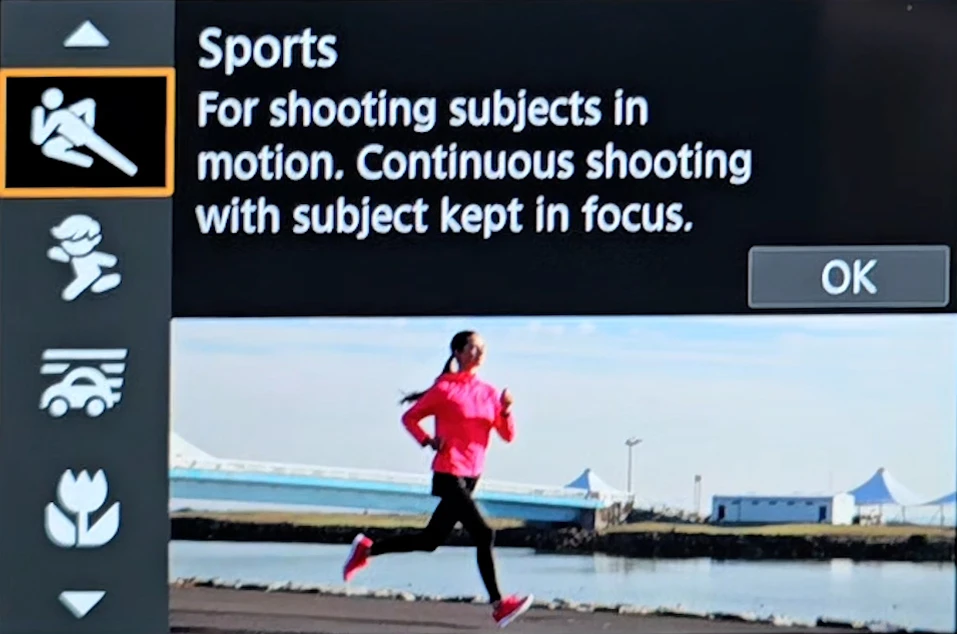
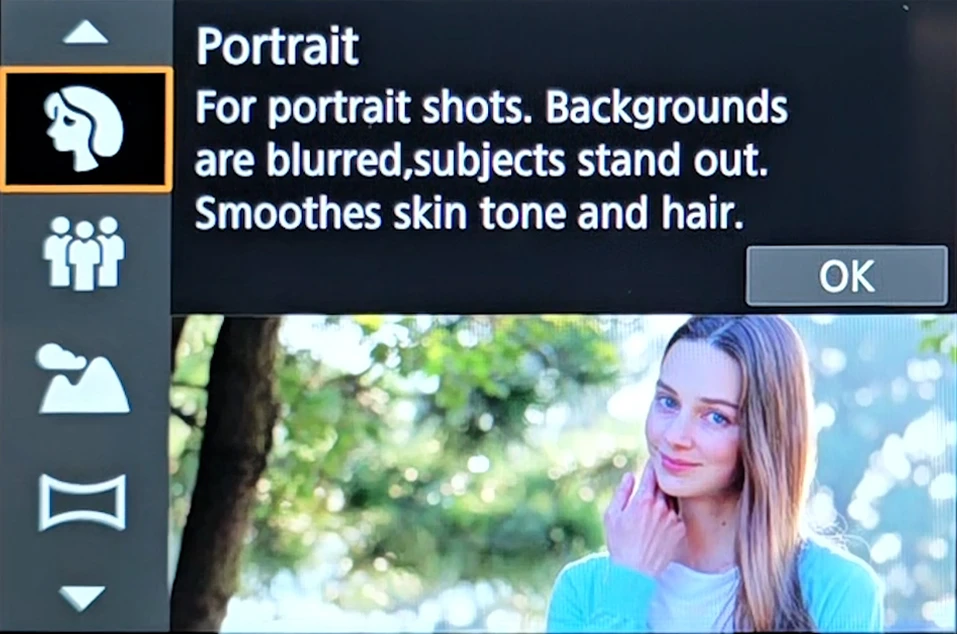
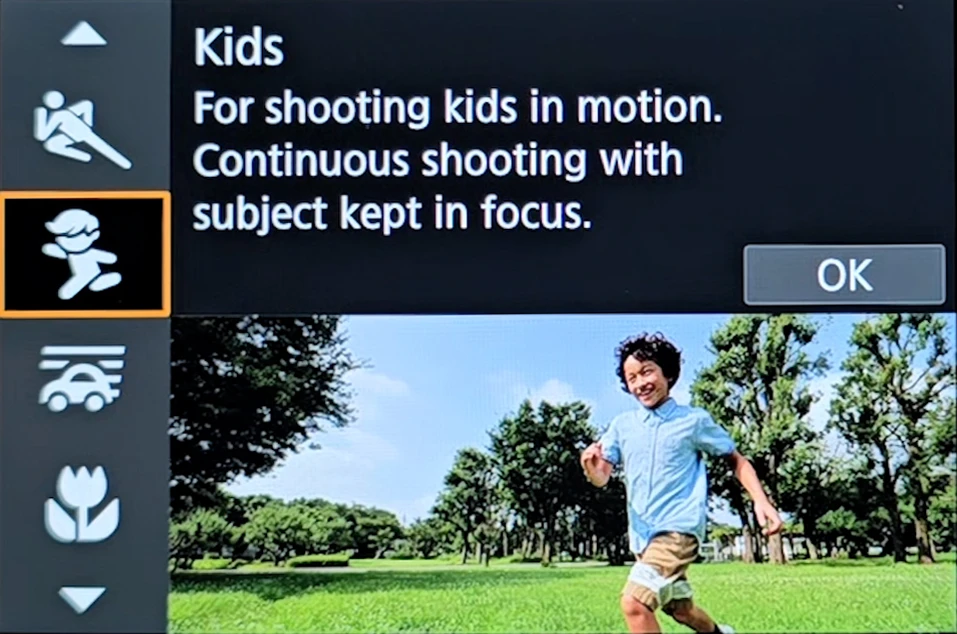
More than a dozen shooting modes are available, so the right settings are always a quick dial turn away.
Canon R7 battery life
One of the R7's standout features is its battery life. Using the LP-E6NH battery with a 2130mAh capacity, I have consistently taken over 500 photos on a single charge, and that is with heavy use, including frequent autofocus and burst shooting. For a full day, whether I am hiking trails or at a track event, I rarely need to swap batteries.
To put that in perspective, the R7's battery life is almost twice as good as the R8, which uses a smaller 1450mAh battery and, in my experience, could not even reach 300 shots before needing a recharge. You can pick up a spare Canon LP-E6NH battery here.
Why the Canon R8 went back
I actually bought the Canon R8 first and returned it. Side by side, three differences made the R7 the keeper for the way I shoot.
Canon R8 returned it
- No in-body image stabilization
- Single SD card slot, no backup
- Smaller 1450mAh battery, under 300 shots
Canon R7 kept it
- IBIS on every lens I mount
- Dual SD slots: backup or double capacity
- 2130mAh battery, 500-plus shots per charge
The viewfinder, startup, and one quirk
Coming from a DSLR, the one adjustment I had to make is that you need to turn the camera on to use the viewfinder. With a DSLR you can scout a shot through the optical finder even when the camera is off, something I took for granted. The R7 uses an electronic viewfinder, or EVF, so the camera has to be powered on for it to work. It is a small difference, but it took some getting used to. The trade-off is worth it, because the EVF gives a real-time preview of exposure, white balance, and focus that an optical finder cannot. Once I adapted, I found the EVF fantastic, and it did not drain the battery as much as I expected.
That brings up boot time. One concern in moving from a DSLR to mirrorless was how long the camera takes to be ready to shoot. I had read complaints about other mirrorless bodies that power up frustratingly slowly, sometimes taking several seconds, so I was skeptical. Thankfully it was a non-issue. The R7 powers up and is ready to capture a photo in under two seconds. Whether I am shooting wildlife, landscapes, or action, that quick startup means I never miss a fleeting moment.
One rare hiccup: occasionally the camera performs a rapid focus search from one extreme to the other, rendering it unusable until I power it off and on again. Once restarted it works perfectly. I have not pinpointed the cause, though it may be tied to a minor tumble I took in Alaska. It is infrequent, and the camera performs flawlessly otherwise.
Why not just use a smartphone?
It is worth addressing something many people ask: why not just use a phone? Do not get me wrong, my Samsung S24 Ultra has amazing cameras and is great for quick or casual shots. But for serious photography there is still no comparison to a dedicated camera like the R7. The larger sensor, advanced autofocus, and ability to pair with specialized lenses give you creative control and image quality no smartphone can replicate yet.
For a closer look at how a real zoom lens compares to the zoom on a smartphone, I break it all down with plenty of example shots in my smartphone vs mirrorless zoom showdown.
Photo samples from the R7
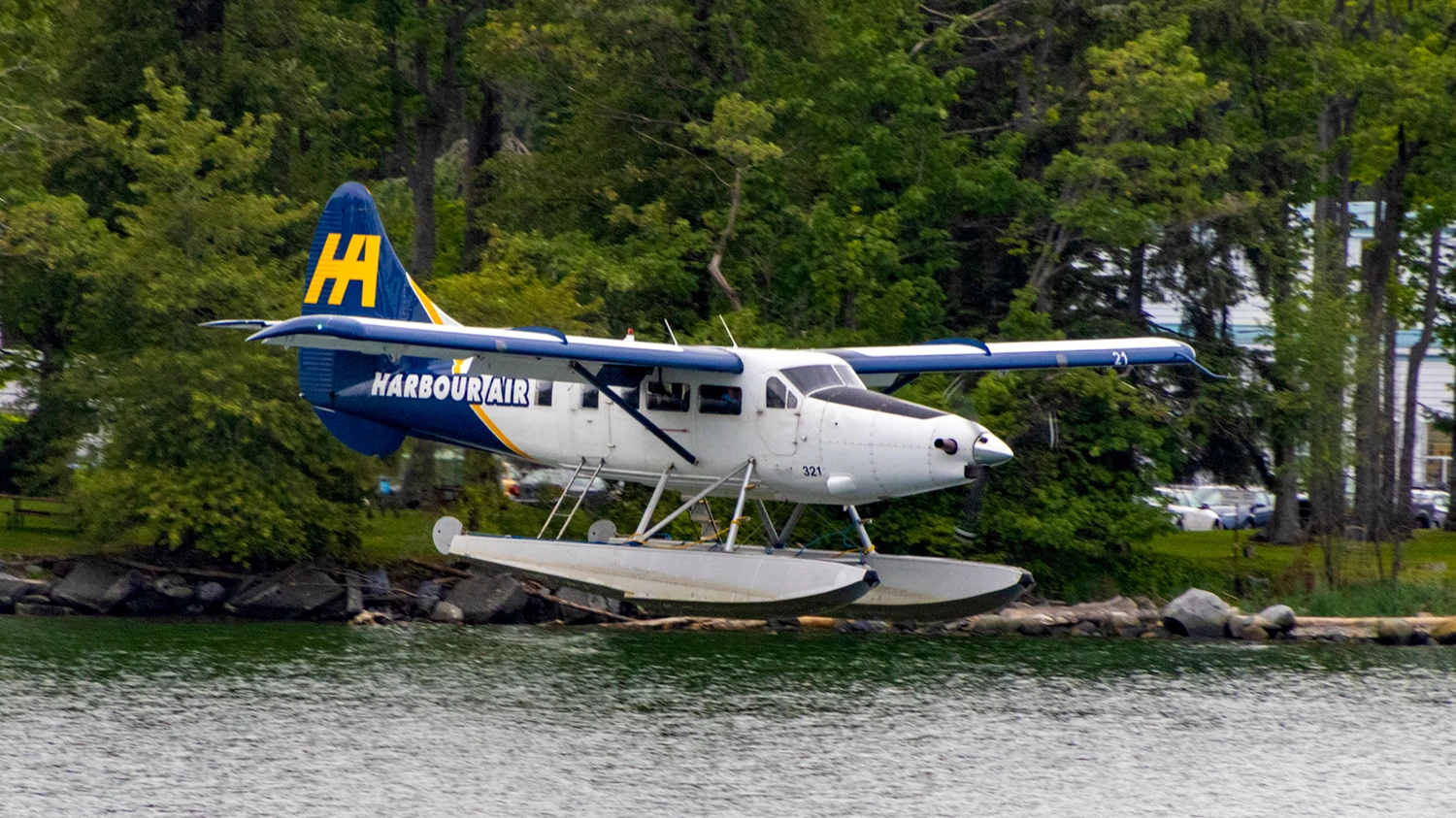
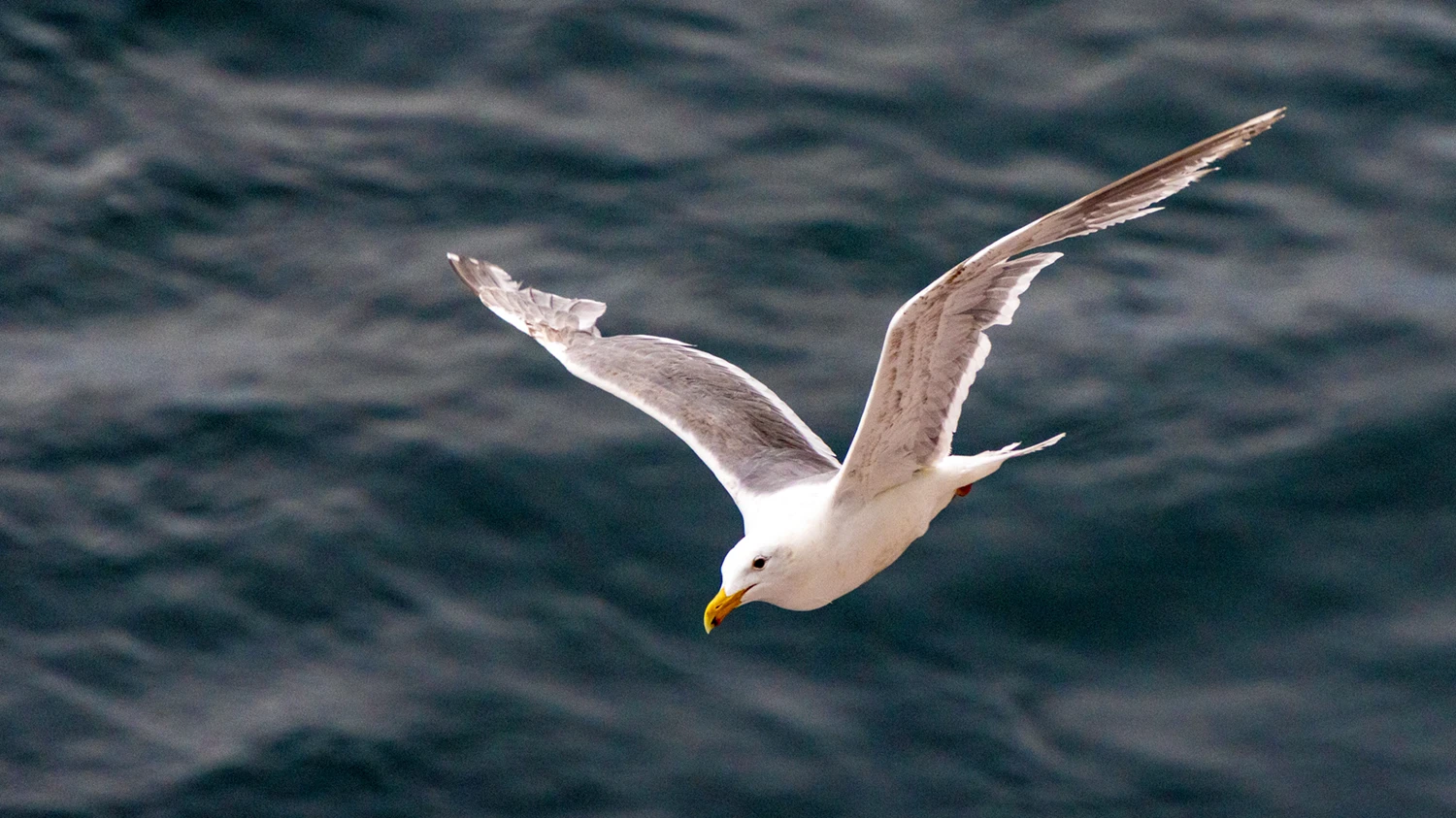
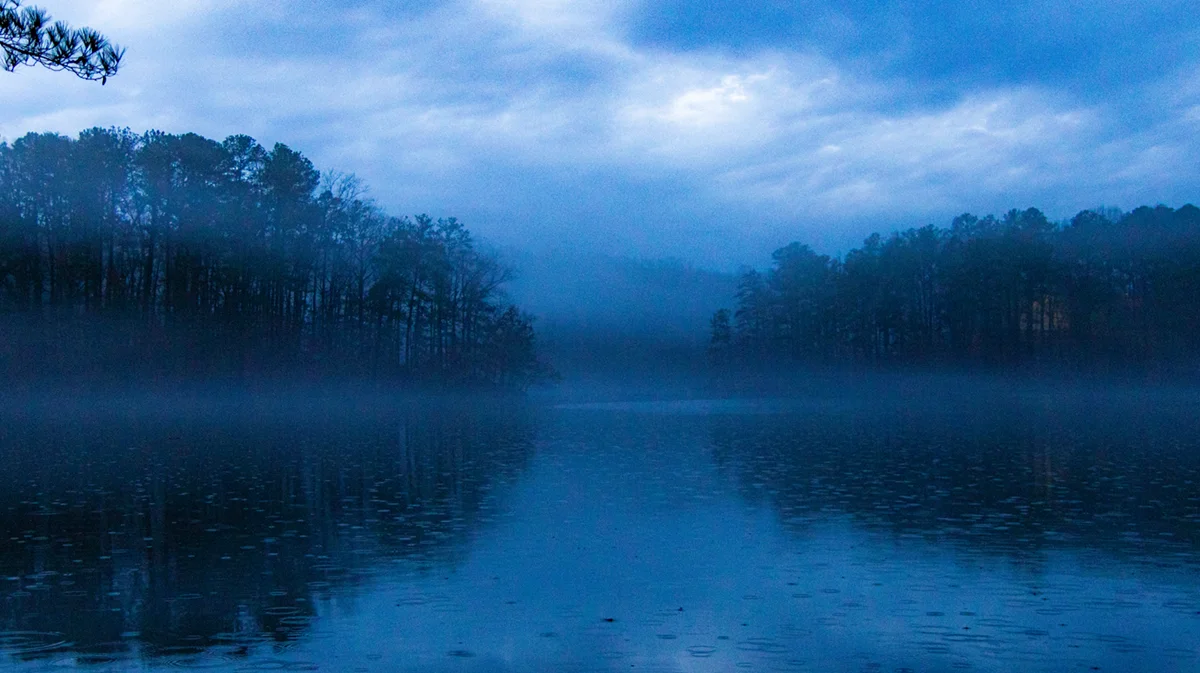
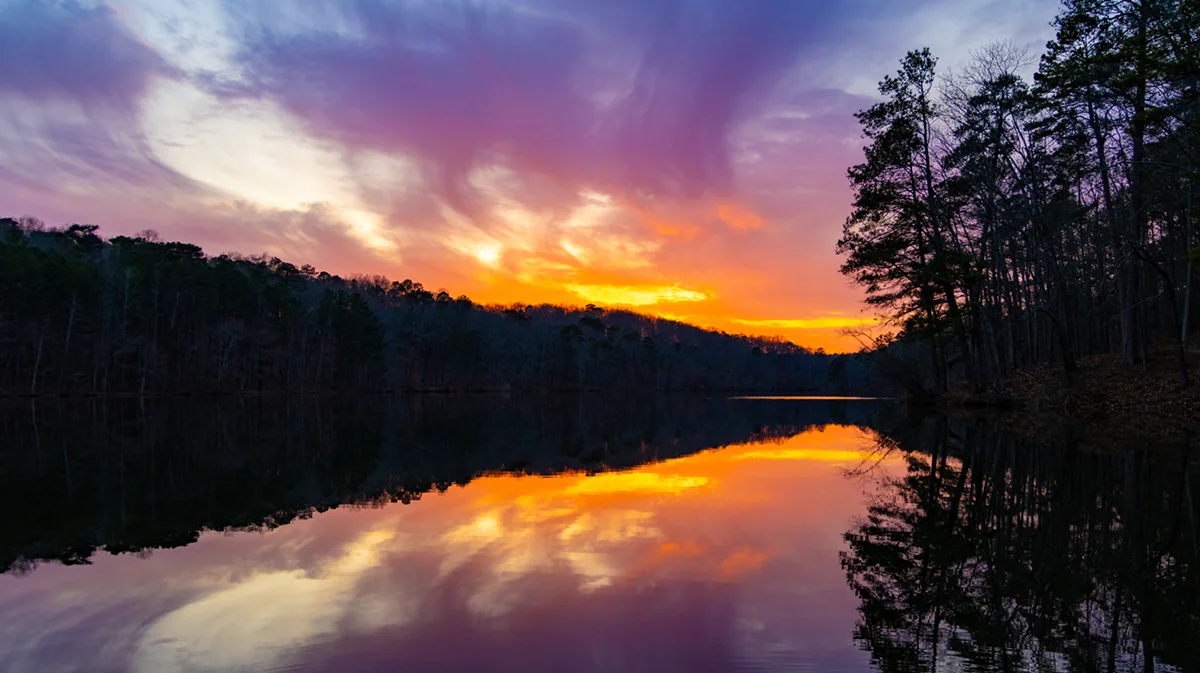
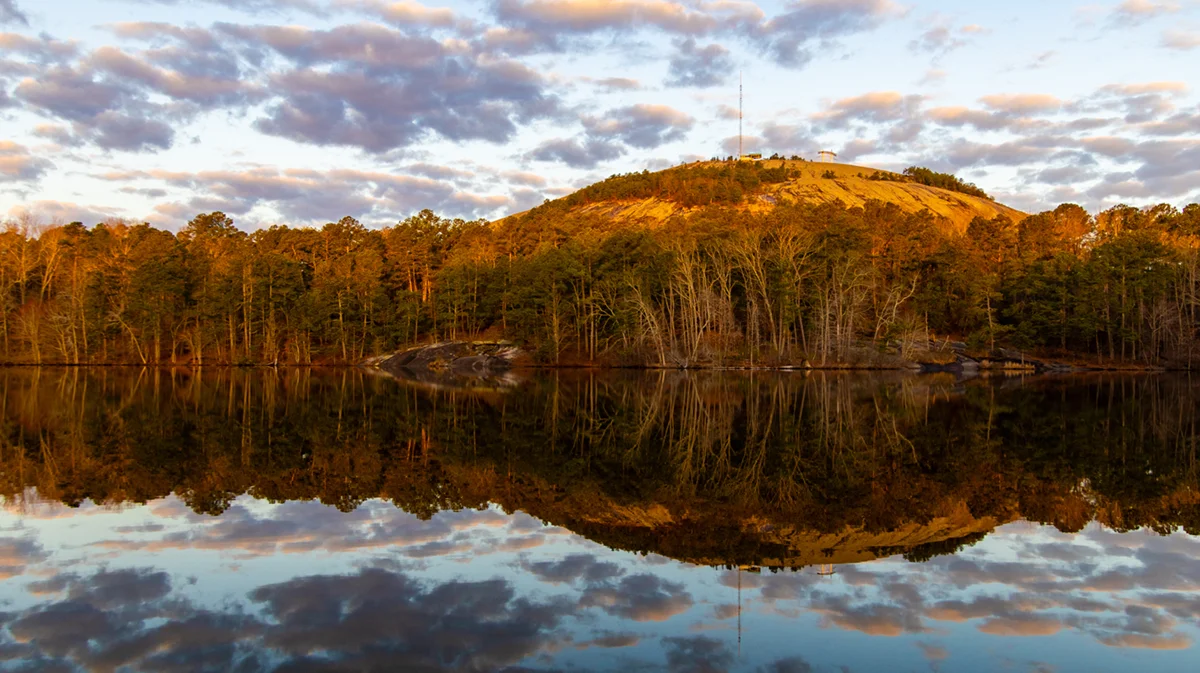
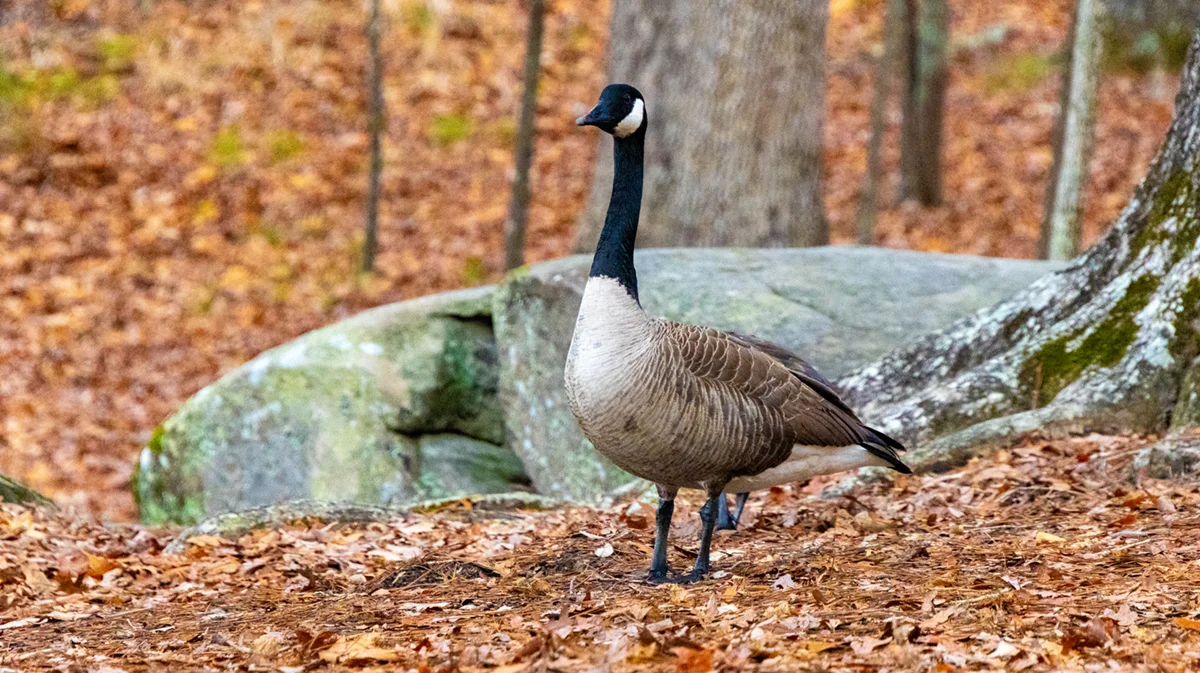
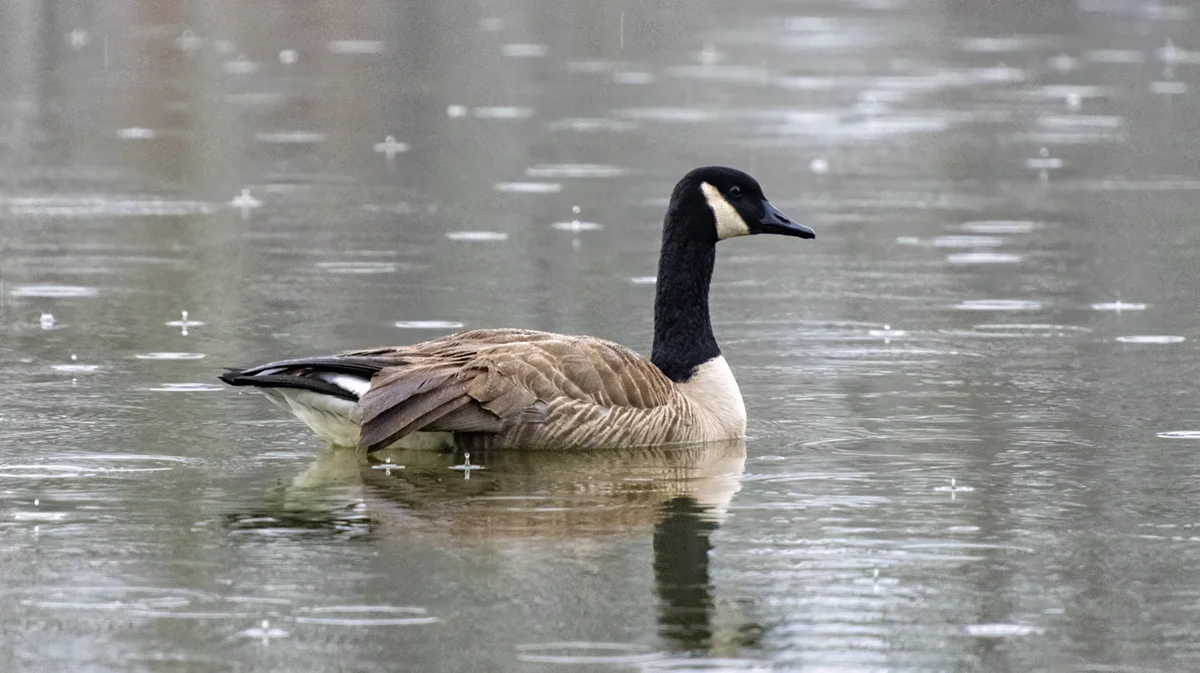
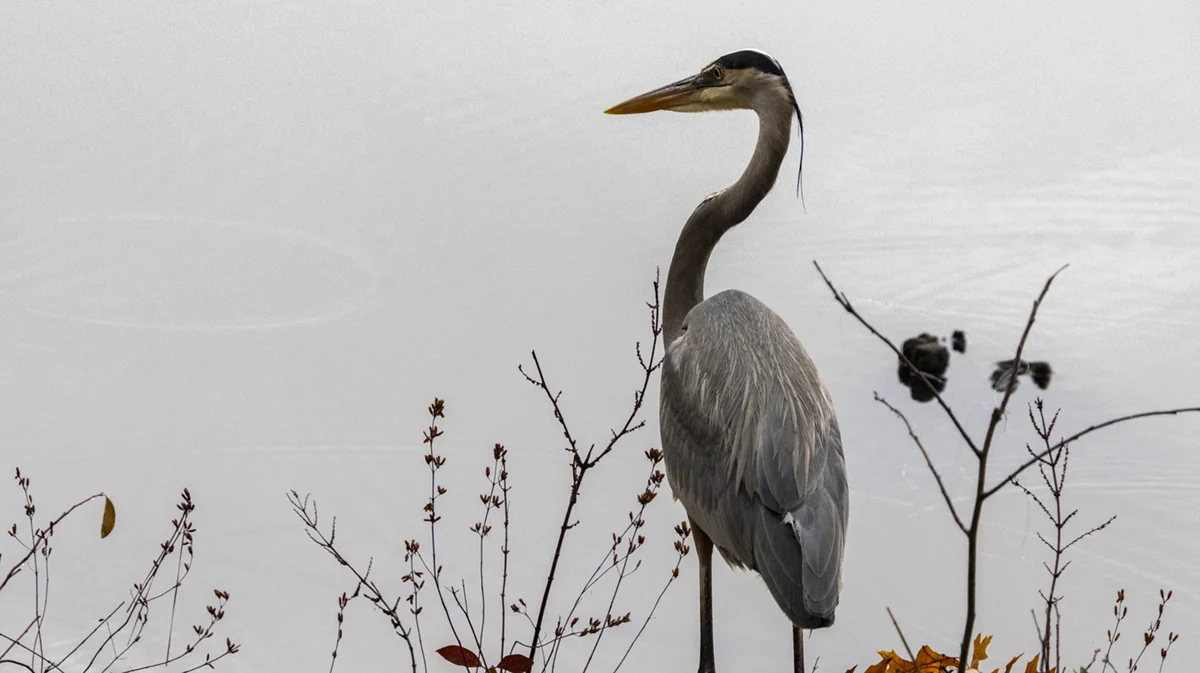
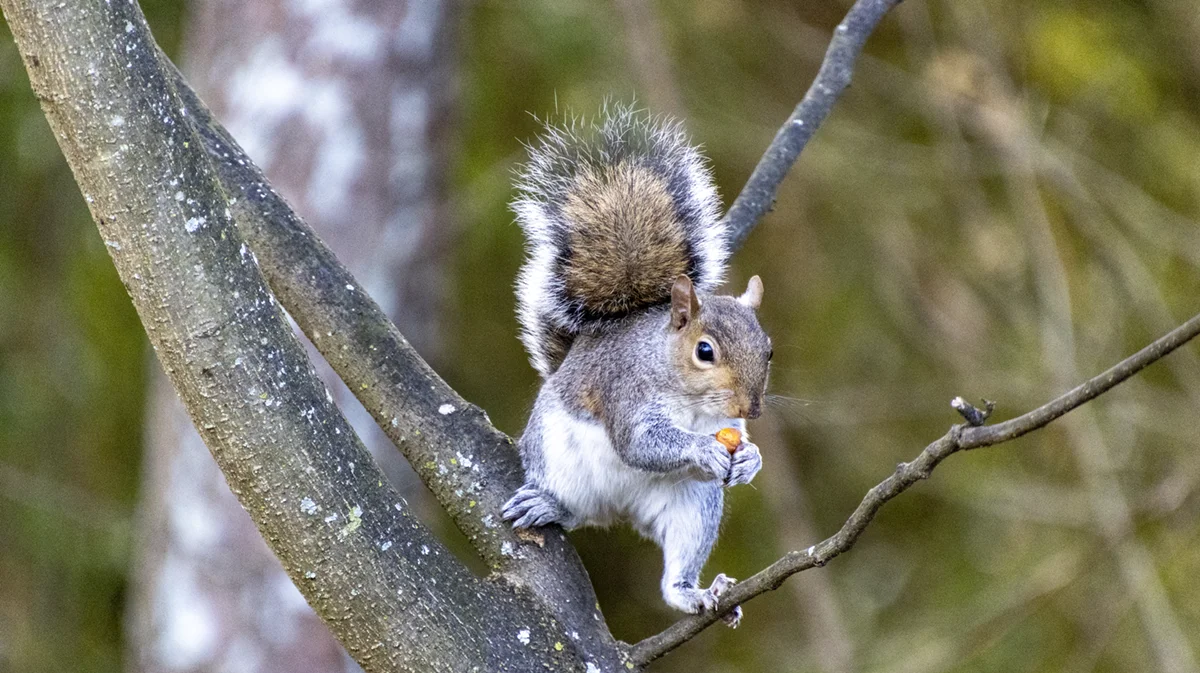
A variety of shots taken on the R7 with the Tamron 18-400mm F3.5-6.3, most of them around Stone Mountain Park in winter 2024. Images are downscaled to be web friendly. Tap any frame to open it larger.

What I carry with the R7
The gear that rounds out my kit for travel and wildlife days:
- Primary lens: Tamron 18-400mm F3.5-6.3, the all-in-one superzoom that shot every image here.
- Carry: The camera bag for every adventure, from city streets to hiking trails (partner review).
- Safety: The Danger Buddies S-Curve camera strap for hiking (partner review).
- Accessories: The Insta360 extended 10ft selfie stick (partner review).
- More to come.
Frequently asked questions
Is the Canon R7 still worth buying in 2025?
Absolutely. The Canon R7 remains one of the best APS-C mirrorless cameras for photography, with a high-resolution 32.5MP sensor, fast autofocus, and in-body image stabilization. Whether you shoot landscapes, wildlife, or action, it is a powerful, future-proof choice.
Does the Canon R7 have in-body image stabilization (IBIS)?
Yes. The R7's IBIS is a game-changer, especially for handheld shooting. It works across different lenses, making low-light and telephoto shots much steadier. That is a big advantage over the Canon R8, which lacks IBIS.
How long does the Canon R7 battery last?
The LP-E6NH battery lasts 500-plus shots per charge, nearly twice the battery life of the Canon R8. If you shoot all day you will still want a spare, but it holds up well even in burst mode and heavy autofocus use.
How fast is the Canon R7's startup time?
The R7 powers on in under 2 seconds, quick enough for capturing spontaneous shots. If you are switching from a DSLR, that startup time feels fast and responsive for a mirrorless camera.
What lens did you use for this review?
Every photo in this review was shot with the Tamron 18-400mm F3.5-6.3 lens, a versatile superzoom that pairs well with the Canon R7 for travel, wildlife, and general photography.
Can the R7 handle birds in flight?
Absolutely. The R7's autofocus system, and its animal tracking in particular, makes sharp photos of birds in flight far easier. Combined with fast burst shooting, you capture more of those brief moments in nature.
The R7 after one year
After a year with the Canon R7, I can confidently say it is one of the most versatile cameras I have ever used. From its speed and image quality to its durability and advanced features, it has consistently exceeded my expectations.
What is even more impressive is that I have barely scratched the surface. There are tools and capabilities packed into this body that I have not fully explored, and it still manages to amaze me every time I pick it up. My next piece digs into the Tamron lens I paired with the R7 and why it has been such a good match for my photography adventures.